May 29, 2026
Choosing budget options for a home improvement project can feel like a major victory for your bank account in the short term. When browsing store aisles or scrolling through online catalogs, the temptation to select items with the lowest price tags is completely understandable. Residential projects require a substantial financial commitment, and saving money on components like hinges, door handles, fasteners, and cabinet pulls seems like a smart way to keep your overall expenses under control. However, focusing solely on the upfront cost often obscures the true financial reality of home maintenance. What appears to be an economical choice during the initial purchase frequently transforms into an ongoing financial drain as time passes. Cheap hardware materials are generally manufactured using inferior metals and plastics that lack the stamina required to withstand regular, daily use. Over time, these subpar components fail systematically, forcing homeowners to endure constant repairs, early replacements, and unexpected collateral damage to surrounding structures.
Investing in high-quality items is not a luxury, but rather a strategic financial decision that protects your property value and your wallet over the long term. According to The Farnsworth Group's Hardware Market Watch (2025), durability is the top priority for homeowners when purchasing hardware, followed closely by quality, and consumers are willing to pay more for products they believe will last longer and reduce the need for frequent maintenance or replacement. When you bypass the bargain bin and invest in premium alternatives, you are essentially purchasing peace of mind and structural longevity. This blog post explores how choosing low-cost options backfires economically, demonstrating why a higher initial investment ultimately saves you significant amounts of money, time, and stress.
Evaluating the Frequency of Replacement Cycles
The most immediate financial consequence of purchasing cheap hardware materials is the rapid acceleration of the replacement cycle. Low-cost door handles, cabinet tracks, and window latches are frequently composed of thin stamped metals or fragile plastics that degrade rapidly under ordinary stress. A budget door knob might function smoothly for a few months, but internal springs quickly lose tension, leading to sticking mechanisms or total functional failure. When these components fail prematurely, you are forced to spend more money to acquire the same items over and over again, completely erasing any savings you achieved during the initial purchase.
This constant cycle of failure and replacement creates a compounding financial burden that many property owners fail to anticipate. Purchasing three or four inexpensive locksets over ten years invariably costs more than buying a single commercial-grade lockset at the beginning of the project. Furthermore, the time spent researching, driving to the store, and swapping out broken pieces represents a significant loss of personal productivity. By continually replacing fragile components, you trap yourself in an expensive loop that rewards manufacturers of disposable goods while steadily draining your household budget.
Understanding the True Burden of Labor Expenses
Many property owners overlook the reality that the true expense of any home upgrade involves both physical components and the human labor required for installation. If you possess advanced woodworking skills and handle every installation yourself, your personal time still has immense value that could be spent on family, hobbies, or professional advancement. When you choose inferior hardware materials, you guarantee that you will spend your weekends fixing things that should have remained functional for decades. The repetitive investment of physical effort means that cheap items demand a continuous tax on your personal free time.
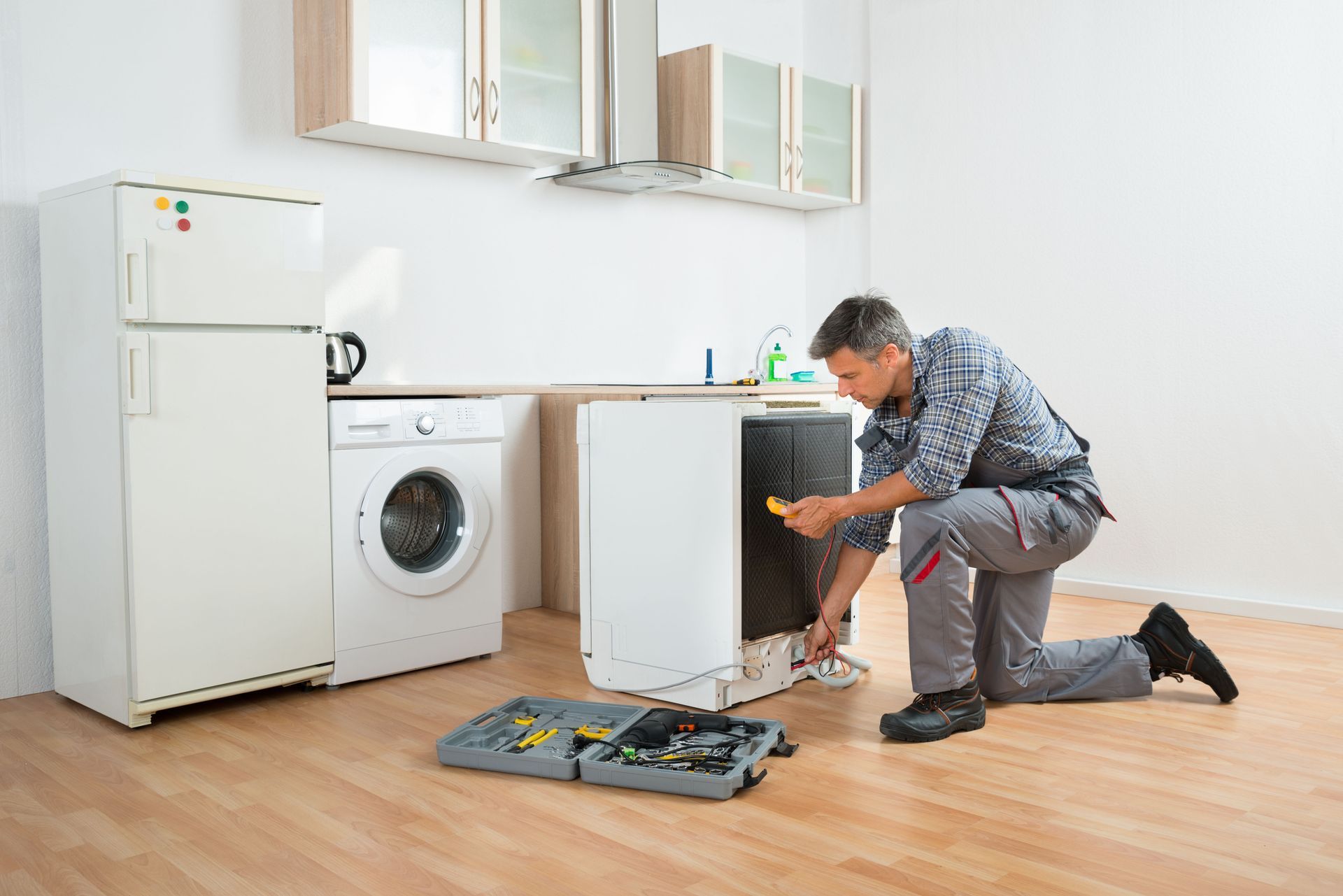
The financial equation becomes even more lopsided if you rely on professional contractors, plumbers, or carpenters to handle your home maintenance. A professional technician charges the same hourly rate to install a bargain-basement faucet or a premium solid-brass fixture. If a cheap internal valve cracks after two years, you must pay a professional installer a second time to remove the failed component and install a replacement. Over a decade, the accumulated cost of professional labor bills will vastly exceed the price differential of purchasing premium, long-lasting components in the first place.
Anticipating the Hazards of Collateral Structural Damage
The hazards of low-grade hardware materials extend far beyond the failure of the individual components themselves, often causing severe damage to the surrounding structure of your home. A prime example of this risk is found in budget plumbing fasteners, supply lines, and outdoor structural screws. When an inferior zinc-coated screw corrodes and snaps inside an exterior deck post, the structural integrity of the entire railing is compromised, creating safety hazards and necessitating extensive structural repairs. Similarly, a cheap plastic water connector hidden behind a vanity can split without warning, releasing gallons of water into your flooring before anyone notices the problem.
This collateral destruction quickly turns a small savings into a massive financial catastrophe involving drywall repair, mold remediation, and structural timber replacement. Cheap cabinet hinges that sag over time can misalign heavy wooden doors, causing them to scrape against premium paint finishes or scratch expensive hardwood cabinetry every time they open. By trying to save a modest amount on hidden fasteners or basic moving parts, you expose your most valuable financial asset to preventable structural wear and moisture degradation. Premium components act as an insurance policy, protecting the surrounding materials from the destructive consequences of mechanical failure.
Analyzing the Erosion of Daily Home Security
Home security relies heavily on the physical integrity of your entry points, and utilizing cheap hardware materials severely compromises the safety of your household. Budget deadbolts and strike plates are often manufactured using porous pot metals that can be easily sheared, bypassed, or broken with basic hand tools. Intruders actively look for signs of flimsy exterior fittings, as these components offer very little resistance against physical force. Beyond the terrifying emotional toll of a residential break-in, the financial loss associated with stolen property and damaged entryways can be completely devastating.
Security issues also manifest as frustrating daily failures that trap family members inside or outside the property. An inferior locking mechanism can easily jam, leaving a homeowner locked out in inclement weather and forced to pay premium emergency locksmith rates for a middle-of-the-night service call. When a primary locking system fails to latch correctly due to warped internal components, the home remains vulnerable whenever the family leaves. Investing in robust, certified security components ensures that your physical barriers remain absolutely dependable, protecting your family from both criminal elements and costly emergency lockouts.
Measuring the Loss of Long-Term Property Value
The overall quality of the underlying fixtures plays a massive role in determining the market value and attractiveness of a residential property. Savvy home buyers and professional property inspectors can easily identify cheap hardware materials the moment they walk through a front door. Flimsy handles that rattle, misaligned kitchen cabinet hinges, and tarnished bathroom fixtures signal to prospective buyers that the entire property was maintained using shortcuts. This perception of poor maintenance often prompts buyers to lower their offers or demand substantial financial concessions during real estate negotiations.
Conversely, investing in heavy, well-crafted metal fittings creates an immediate impression of luxury, stability, and meticulous structural care. Premium components retain their aesthetic finishes and smooth mechanical operation for decades, serving as an attractive selling point rather than a liability. When every door closes with a solid, satisfying thud and every window latches perfectly, buyers feel confident that the hidden infrastructure of the home was treated with equal respect.
Skimping on the basic components that hold your home together is a classic financial trap that ultimately costs more in time, money, and emotional frustration. While low-priced options appear attractive on a store shelf, their hidden expenses quickly materialize through accelerated replacement schedules, repetitive labor fees, structural damage, and diminished property values. Embracing high-quality alternatives safeguards your household budget and ensures your living space remains secure, functional, and beautiful for generations. When you are ready to upgrade your property with dependable components built to survive the test of time, contact Corning Building Co to explore a comprehensive selection of premium supplies and expert guidance tailored to your specific project needs.