August 6, 2026
Modern homes rely heavily on appliances to support everyday routines, from preserving food and washing clothes to cooking meals and maintaining comfort. While these machines are built to provide years of dependable performance, they do not last forever. Over time, normal use, aging components, and changing technology can cause appliances to lose efficiency or develop problems that affect their reliability.
Recognizing the warning signs of aging appliances can help homeowners make informed decisions before a sudden breakdown creates unnecessary stress. A failing appliance may consume more energy, require frequent repairs, or eventually stop working when it is needed most. By paying attention to changes in performance and maintaining equipment properly, homeowners can determine whether repairs are worthwhile or if replacement is the better option.
Understanding when a major appliance is approaching the end of its service life can also help with budgeting and planning. Instead of waiting for an emergency replacement, homeowners can identify potential issues early and prepare for the next step. This article explores the common signs of aging appliances, inspection recommendations, cost-effective solutions, and preventative measures that can help extend appliance life.
How Can You Tell If A Major Appliance Is Reaching The End Of Its Service Life?
Several noticeable changes can indicate that a major appliance is no longer operating as efficiently as it once did. One of the most common signs is reduced performance. A refrigerator that struggles to maintain temperatures, a washing machine that leaves clothes excessively wet, or an oven that heats unevenly may be showing signs of internal wear.
Unusual noises are another indication that an appliance may be aging. Grinding, buzzing, rattling, or clicking sounds can point to issues with motors, belts, fans, or other mechanical components. While some noises may be caused by minor problems, persistent sounds often indicate that an appliance requires professional attention.
Frequent repairs are another factor homeowners should consider. Occasional maintenance is normal, but repeated service calls can become expensive over time. If repair costs begin approaching the price of a replacement, investing in a newer model may be more practical.
A major appliance may also show physical signs of aging, including rust, cracks, worn seals, or damaged controls. These issues can affect efficiency and performance while also creating potential safety concerns. Appliances that are significantly older than current models may also lack energy-saving features that reduce operating costs.
What Are The Common Signs Of Wear And Tear In Major Appliances?
Wear and tear naturally develops as appliances are used regularly. Components such as seals, filters, hoses, heating elements, and motors experience stress over time, eventually affecting how efficiently the appliance functions.
For refrigerators, common signs of wear include warm spots inside the unit, excessive frost buildup, condensation around doors, or a compressor that runs constantly. Damaged door seals can allow cold air to escape, forcing the appliance to work harder and increasing energy consumption.
Dishwashers often experience problems related to clogged filters, worn spray arms, or failing pumps. Signs of aging may include dishes that remain dirty after cycles, standing water at the bottom of the unit, or unusual operating sounds. These issues can reduce cleaning effectiveness and signal that internal parts are deteriorating.
Laundry appliances can also reveal their age through performance problems. A washing machine that shakes excessively, leaks, or fails to complete cycles may have worn components. Dryers that take longer than normal to dry clothing may have issues with heating elements, ventilation, or internal sensors.
Aging cooking appliances may develop inconsistent temperatures, faulty controls, or damaged heating elements. Whether it is a range, oven, or microwave, declining performance can make daily tasks more difficult and may indicate that replacement should be considered.
How Often Should Major Appliances Be Inspected For Potential Aging Issues?
Regular inspections can help identify problems before they become major failures. Homeowners should generally check their appliances several times each year for visible issues, unusual sounds, and changes in performance.
A quick inspection can include checking cords for damage, cleaning filters, examining seals, and looking for leaks or corrosion. These simple steps can reveal early warning signs that may otherwise go unnoticed. For appliances that receive heavy use, more frequent checks may be beneficial.
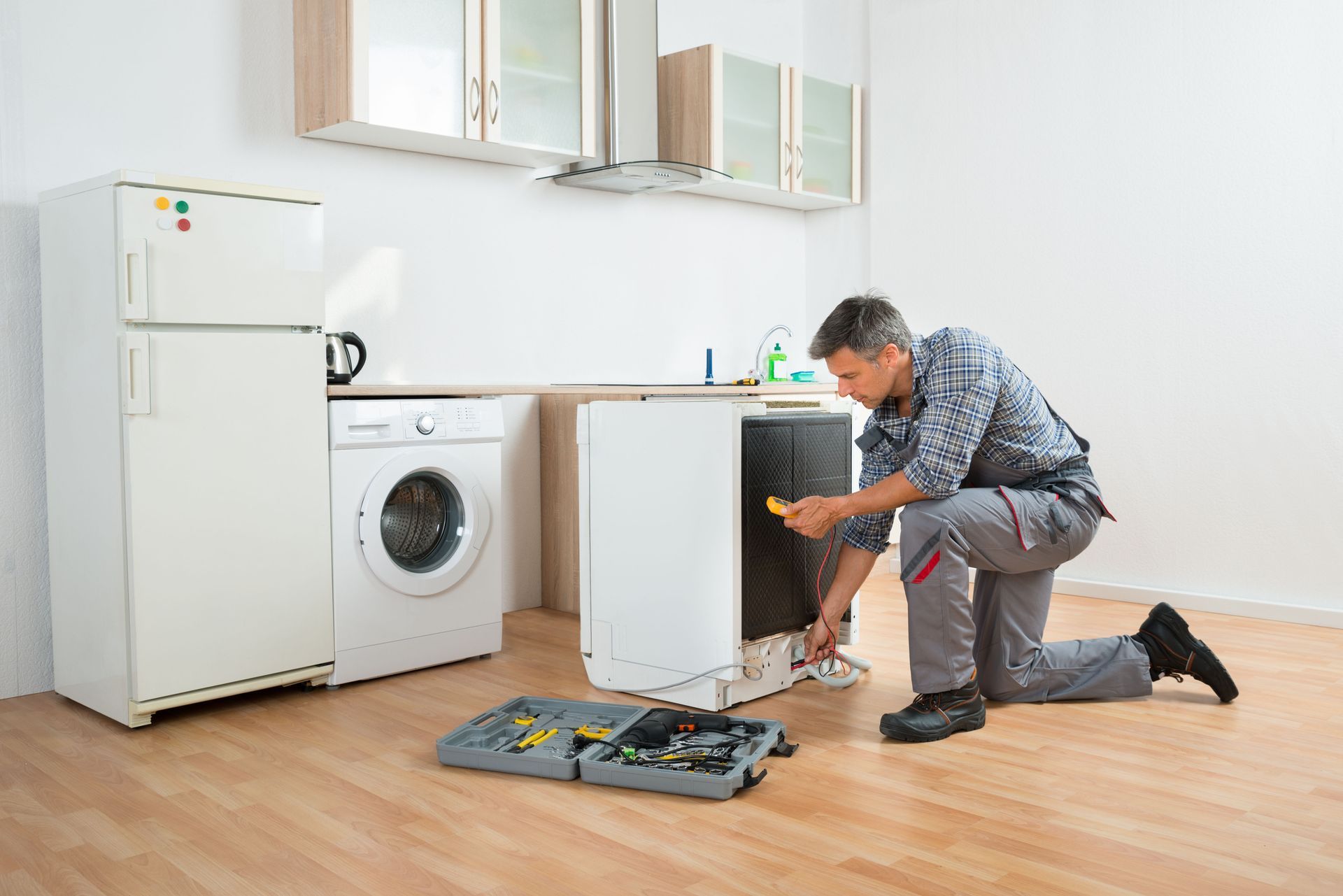
Professional inspections may also be useful for older appliances. Technicians can evaluate electrical connections, mechanical components, and overall performance to determine whether repairs are needed. This can be especially helpful for a major appliance that is approaching the later years of its expected service life.
The replacement timeline for appliances varies based on the type of unit, maintenance habits, and frequency of use. According to This Old House, properly maintained appliances generally need replacement every 9 to 20 years on average. Keeping track of purchase dates and service history can help homeowners estimate when replacement planning may become necessary.
What Are The Most Cost-Effective Strategies For Dealing With Aging Major Appliances?
When an appliance begins showing signs of age, homeowners often need to decide whether repairing or replacing it makes the most financial sense. The right choice depends on the appliance’s condition, repair costs, and remaining expected life span.
Minor issues are often worth repairing, especially if the appliance is relatively new. Replacing a worn component, fixing a leak, or repairing an electrical issue can extend the life of a unit without requiring a large investment.
However, older appliances with frequent problems may become costly to maintain. If a major appliance requires repeated repairs within a short period, replacement may provide better long-term value. Newer models often include improved energy efficiency, updated technology, and features that can lower operating expenses.
Homeowners can also reduce replacement costs by planning ahead. Researching appliance options before an emergency occurs allows time to compare prices, consider energy ratings, and choose a model that fits household needs. Waiting until an appliance completely fails may limit available choices and create additional inconvenience.
Selling or recycling older appliances may also help offset replacement expenses. Many communities offer appliance recycling programs that safely handle old equipment while reducing waste.
Are There Preventative Measures To Extend The Life Of Major Appliances?
Proper maintenance is one of the most effective ways to extend appliance life. Simple routines can reduce strain on internal components and help appliances operate more efficiently.
Cleaning is one of the most important maintenance steps. Refrigerator coils should be kept free of dust, dryer vents should be cleared regularly, and dishwasher filters should be cleaned to prevent buildup. These tasks help appliances operate without unnecessary stress.
Homeowners should also follow manufacturer recommendations for care and use. Overloading washing machines, blocking refrigerator airflow, or using incorrect settings can accelerate wear. Using appliances as intended helps protect important components and prevents avoidable damage.
Replacing worn parts before they fail completely can also improve longevity. Damaged seals, clogged filters, and aging hoses are often inexpensive to replace compared with the cost of repairing major internal failures.
Scheduling routine maintenance can further protect a major appliance and improve reliability. Professional service can identify hidden issues and address small problems before they become more expensive repairs. Regular care not only improves performance but can also help homeowners get the maximum value from their appliances.
Aging appliances often provide warning signs before they stop working completely. Changes in performance, unusual sounds, visible damage, and frequent repairs can all indicate that an appliance is nearing the end of its useful life. Recognizing these issues allows homeowners to make informed decisions about maintenance, repairs, and replacement.
Regular inspections and preventative care play an important role in extending appliance longevity. Cleaning components, addressing minor issues early, and following recommended maintenance practices can help reduce unnecessary costs and improve efficiency.
Whether a homeowner chooses to repair or replace an aging
major appliance, understanding the condition of existing equipment is the first step. Take time to evaluate your appliances, identify potential concerns, and plan ahead to keep your home running smoothly. If you're looking for appliances, reach out to the team at Corning Building Co today!