April 6, 2026
Selecting the right building materials plays a defining role in how well a structure performs over time. Strength, durability, and long-term reliability depend on choosing materials that can withstand environmental stressors while supporting design goals. From foundational elements to finishing components, each material contributes to overall performance and resilience.
Construction continues to evolve as new technologies and methods improve how building materials are produced and applied. According to Fundamental Business Insights, infrastructure projects make up about 49.5% of global materials demand, which highlights the importance of selecting materials that balance performance, efficiency, and sustainability. Understanding how different materials function helps guide smarter construction decisions.
1. Examine Concrete for Structural Strength
Concrete remains one of the most widely used building materials due to its exceptional compressive strength and adaptability. Formed by combining cement, water, and aggregates, it hardens through a chemical process that creates a dense and durable structure. This material performs well under heavy loads and offers strong resistance to fire and environmental exposure, making it essential in many types of construction.
Different variations of concrete provide flexibility for specific applications. Reinforced concrete integrates steel to improve tensile strength, while high-performance mixes enhance durability and resistance to chemicals. Its ability to be shaped before curing allows for versatile architectural designs, making it suitable for foundations, walls, and structural components. Despite considerations like cracking and environmental impact, concrete remains a dependable option for long-lasting stability.
2. Utilize Steel for Structural Support
Steel plays a critical role in modern construction, valued for its strength, flexibility, and efficiency. Among building materials, it stands out for its ability to handle both tension and compression without compromising integrity. Its ductility allows it to bend under stress rather than break, which is particularly beneficial in regions prone to seismic activity or high winds.
Various types of steel serve different purposes, from carbon steel used in framing to stainless steel applied in visible architectural features. Steel components can be prefabricated, reducing construction time and improving precision during assembly. While it requires maintenance to prevent corrosion, its long-term durability and recyclability make it a practical and forward-thinking choice in structural design.
3. Incorporate Wood for Versatility
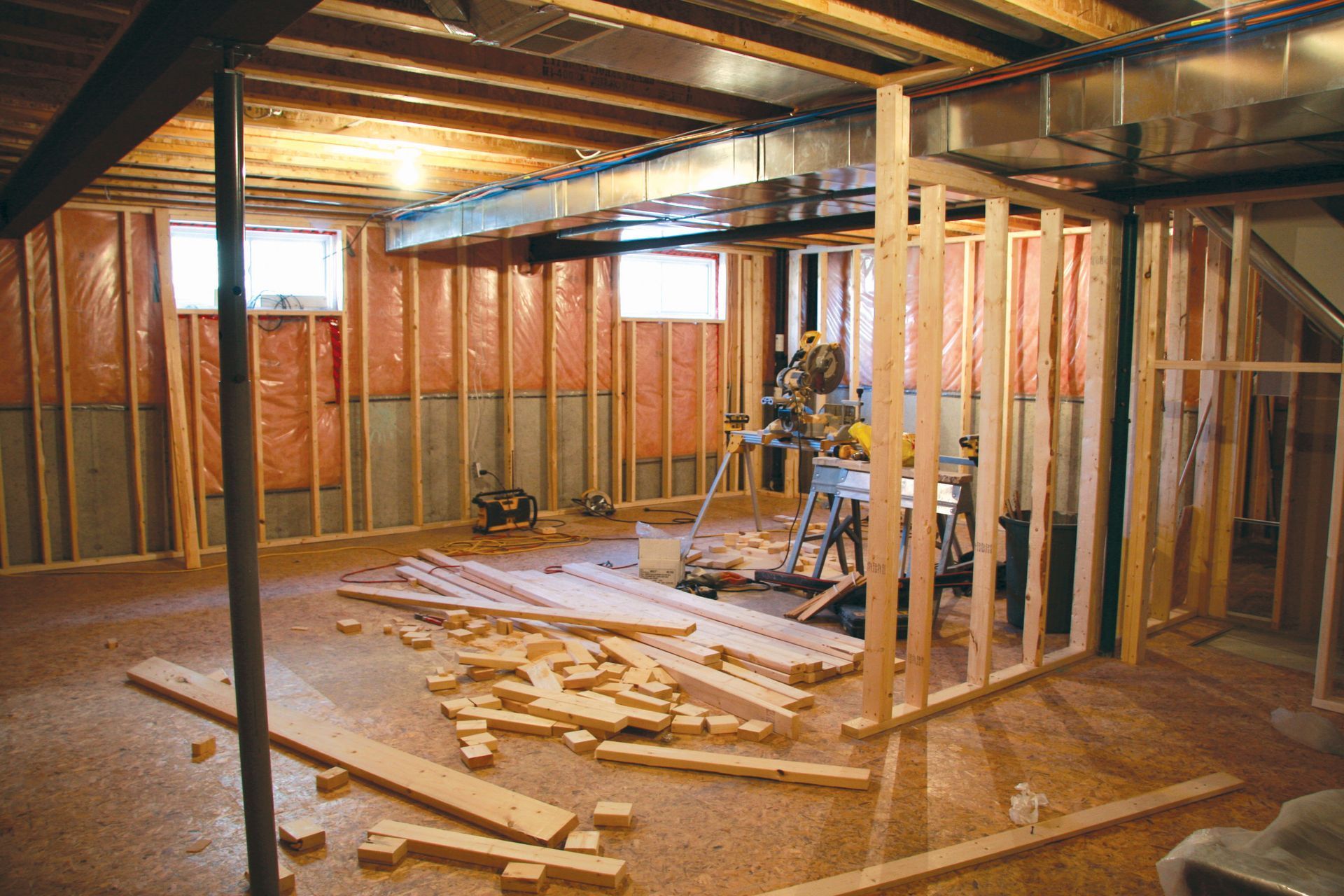
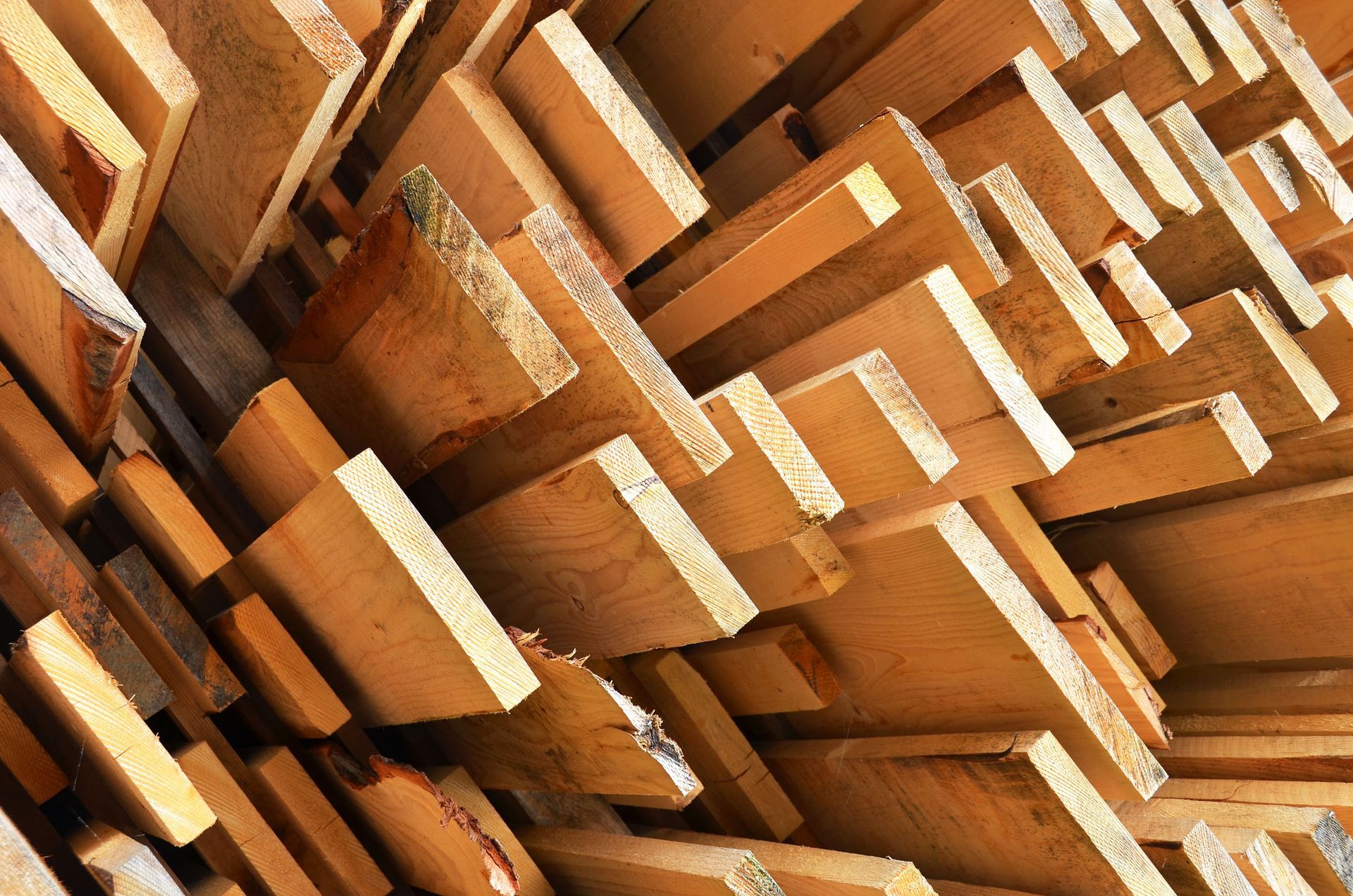
Wood has been used for centuries and continues to be one of the most versatile building materials available. Its natural strength, combined with ease of use, makes it suitable for framing, finishes, and decorative features. Softwoods are commonly used for structural applications due to their workability and availability, while hardwoods provide durability and visual appeal in detailed elements such as cabinetry, flooring, and trim. Wood’s natural insulating properties contribute to energy efficiency, helping regulate indoor temperatures and reduce overall energy consumption. Its adaptability allows it to be shaped, cut, and assembled with precision, making it a preferred choice for both traditional construction and modern architectural designs.
Modern advancements have expanded the role of wood through engineered products such as cross-laminated timber and laminated beams. These innovations improve strength and stability while maintaining wood’s natural advantages, allowing it to compete with other building materials in larger-scale projects. Engineered wood products are designed to reduce waste and enhance performance consistency, making them suitable for structural applications that demand reliability. Proper treatment and moisture control help address concerns like pests and decay, while protective finishes extend the lifespan of wood in various environments. With responsible sourcing and continued innovation, wood remains a dependable and sustainable solution in both residential and commercial construction.
4. Apply Masonry for Long-Term Durability
Masonry materials, including brick, stone, and concrete blocks, contribute to strong and enduring structures. These building materials offer excellent compressive strength, making them suitable for load-bearing walls and exterior facades that must withstand continuous stress over time. Their density provides natural resistance to fire, pests, and extreme weather conditions, which supports long-term structural integrity. Masonry also offers design flexibility, with a wide range of textures, colors, and patterns that enhance both traditional and modern architectural styles. Its thermal mass helps regulate indoor temperatures by absorbing and releasing heat slowly, supporting energy efficiency and improving overall comfort within a building.
Mortar binds masonry units together, creating a cohesive system that distributes loads effectively across the structure. The quality and composition of mortar play a key role in ensuring proper adhesion and accommodating slight movements without compromising stability. With proper installation and maintenance, masonry structures can last for generations with minimal upkeep, requiring only occasional joint repairs or sealing to prevent moisture intrusion. Advances in materials and techniques have further improved performance, allowing for better insulation and faster construction methods. This combination of durability, resilience, and visual appeal makes masonry a preferred choice for both structural and decorative applications in construction.
5. Integrate Glass for Functional Design
Glass has become an essential component in contemporary construction, valued for its ability to enhance both aesthetics and performance. As one of the more specialized building materials, it allows natural light to enter interior spaces while supporting energy efficiency through modern coatings and insulation technologies. Its transparency helps create open, connected environments that improve occupant comfort and reduce reliance on artificial lighting during the day. Architects often use glass to establish a seamless connection between indoor and outdoor spaces, contributing to both visual appeal and functional design. With advancements in manufacturing, glass can now meet demanding structural and environmental requirements without sacrificing clarity or style.
Different types of glass, such as tempered and laminated options, provide added strength and safety for a wide range of applications. These variations are designed to resist impact, reduce the risk of shattering, and improve overall building security. Innovations like low-emissivity coatings and smart glass enhance thermal performance by controlling heat transfer and adjusting light transmission based on environmental conditions. Insulated glass units further improve energy efficiency by minimizing air exchange between interior and exterior spaces.
6. Combine Composites for Advanced Performance
Composite materials bring together multiple components to create high-performance solutions that surpass traditional options. These building materials are engineered to deliver strength, durability, and resistance to environmental factors while remaining lightweight. Fiber-reinforced polymers are a common example, offering structural support in demanding applications.
The adaptability of composites allows them to be tailored for specific uses, from structural reinforcements to exterior panels. Advances in manufacturing continue to improve their efficiency and sustainability, making them increasingly relevant in modern construction. While cost and familiarity can influence adoption, their performance benefits position them as a strong option for future projects.
7. Select Materials for Balanced Performance
Choosing the right combination of building materials is essential for achieving a sturdy and reliable structure. Each material offers unique strengths, and successful construction depends on how well they work together. Balancing factors such as load-bearing capacity, environmental exposure, and design requirements leads to better overall performance.
Thoughtful selection supports long-term durability while reducing maintenance needs and improving efficiency. By understanding the role of each material, builders can create structures that meet both functional and aesthetic expectations without compromising strength or stability.
The performance of any structure depends heavily on the quality and application of its building materials. From concrete and steel to wood, masonry, glass, and composites, each plays a vital role in creating durable and efficient buildings. Careful selection and integration of these materials support long-term structural integrity while meeting modern construction demands.
As construction methods continue to evolve, choosing the right building materials remains central to building success. We encourage you to connect with us at Corning Building Co to explore how we can help you create strong, lasting structures with confidence.